Exhibition “Understanding Lithuania(n): Ancient Language for Modern Communication” was opened at Tartu University
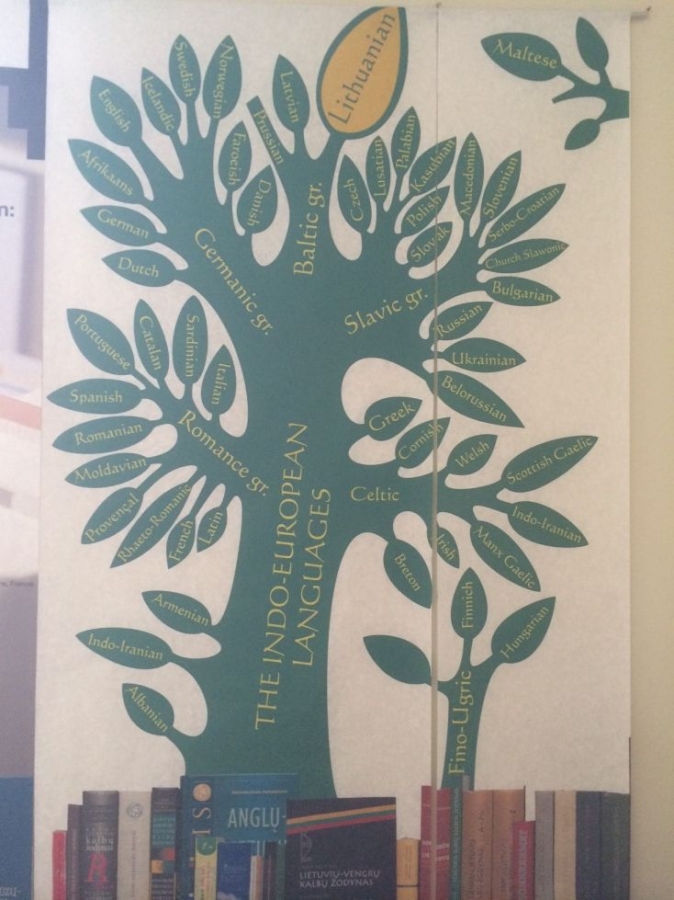
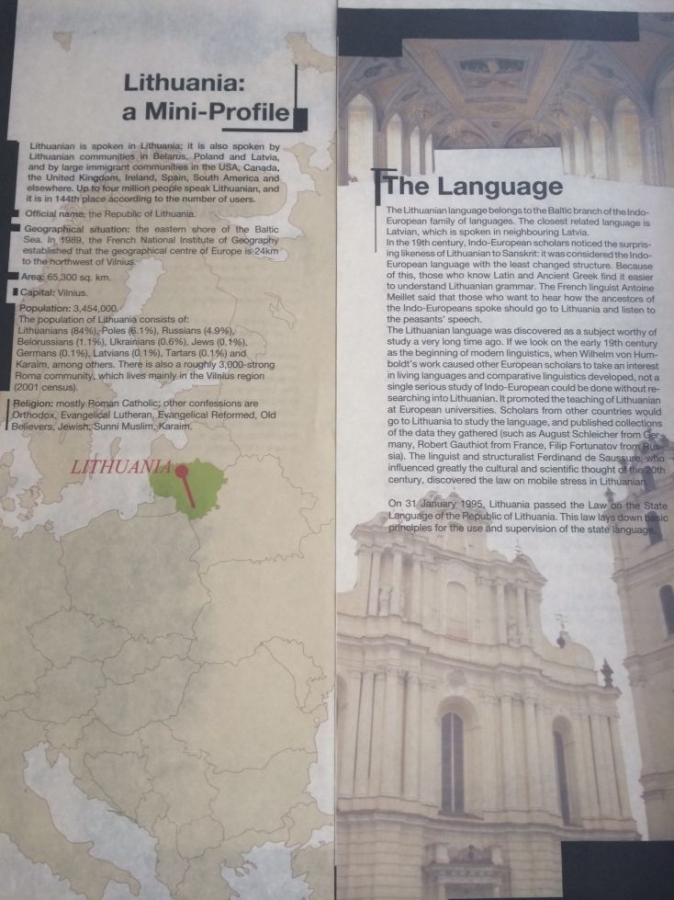
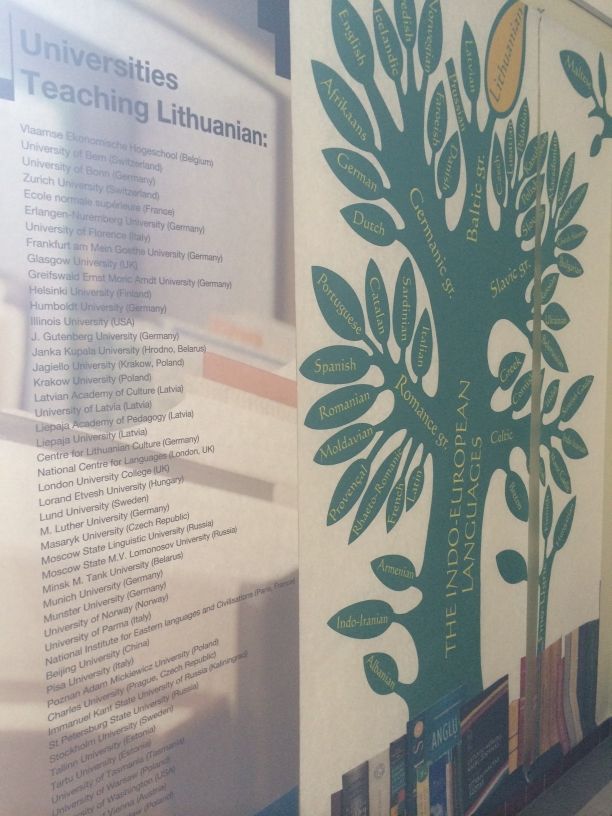
On June 13, the exhibition “Understanding Lithuania(n): Ancient Language for Modern Communication” was open at Tartu University. This exhibition was opened at the beginning of the two days international conference “Typology and contacts of Baltic and Finnic languages and literaratures” at Tartu University.
Exhibition was opened by Mrs Birute Klaas-Lang, the Honorary Consul of Lithuania to Estonia, and Mr Rimas Kungys, First Secretary of the Lithuanian Embassy to Estonia.
This exhibition offers a familiarization with the country through its language. By presenting the language, its place among the languages of the world, its literary tradition in historical context, and the role it plays in present day society, the exhibition reveals crucial moments in Lithuanian history and gives deeper insight into the country, its people, and their fundamental values.
The Lithuanian language, which has evolved from a tongue spoken by ordinary countryside people to the full-fledged state language of modern Lithuania, has garnered worldwide academic interest for its closeness to Sanskrit. The unique story of Lithuanian, including such phenomena as book-smuggling in the 19th century and decades of underground press activity, exposes the roots of Lithuanian identity. It explains why Lithuanians attach such importance to their language—in both spoken and written form—while at the same time respecting and cherishing the multi-lingual tradition inherited by generations during the course of Lithuanian history. Freedom of the press in one’s own tongue, which is highly valued by every Lithuanian, also constitutes a foundation for free thought and fosters respect for diverse linguistic groups throughout society.
Exhibition is displayed at the Faculty of Philosophy of Tartu University (Jakobi 2, Tartu).
Organizers: Ministry of Foreign Affairs of Lithuania, in co-operation with the Institute of the Lithuanian Language